Top 10 Shuttering Magnet For Concrete Formwork you need to know?
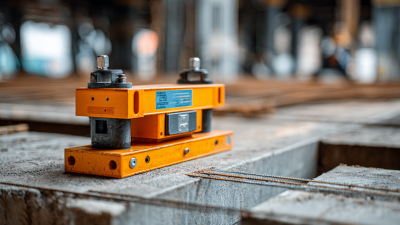
When it comes to concrete formwork, the tools and techniques used can significantly influence the outcome of construction projects. One essential component in this realm is the Shuttering Magnet For Concrete Formwork. These magnets provide a reliable solution for securely holding formwork in place during the pouring process. With numerous options available, understanding their functionality and benefits is crucial for industry professionals.
Shuttering magnets are designed specifically to streamline the construction process. They enhance safety and precision, ensuring that forms do not shift during concrete placement. This results in better finishes and fewer costly repairs. However, selecting the right magnet for specific project needs can be challenging.
Many products on the market vary in strength, size, and usability. Not all magnets are created equally. It's important to evaluate each option carefully. Industry leaders often emphasize the need for quality over quantity. Investing in reliable Shuttering Magnet For Concrete Formwork can lead to improved efficiency and productivity on job sites. As we delve into the top ten options, consider how each might impact your next concrete project.

Top Features to Consider When Choosing Shuttering Magnets for Concrete
When selecting shuttering magnets for concrete formwork, several key features should come into play. The strength and magnetic pull of a shuttering magnet are critical factors. A strong magnet ensures stability and prevents shifting during the setting process. Some magnets can hold weight effectively, while others may falter. Checking specifications for pull force is essential.
Size and shape also matter significantly. The magnet must fit your formwork design. A mismatch may lead to ineffective holding or gaps in the concrete. Compact options can be advantageous in tight spaces. Design flexibility is crucial.
Another aspect to consider is the durability of the materials. Some magnets may corrode over time, especially in harsh environments. Look for magnets with protective coatings that resist wear. Quality control during manufacturing can also affect longevity. It’s worth questioning the reliability of cheaper options available in the market.
Comparison of Different Types of Shuttering Magnets in the Market
When exploring shuttering magnets for concrete formwork, it's essential to understand their types. These magnets vary in design and functionality. Some are permanent magnets, while others are electromagnets. Permanent magnets are generally more reliable for most applications. However, they might not offer the same holding strength as electromagnets in certain scenarios.
Consider the different fastening options available, as some systems come with quick-release features. These allow for efficient setup and breakdown on job sites, saving time and labor costs. The choice of magnetic force is critical. For heavy-duty projects, a magnet with higher holding power is necessary. On the other hand, lightweight options might suffice for less demanding environments.
Installation and removal ease can impact overall workflow. Complex systems may lead to increased downtime, frustrating workers. A magnet that requires special tools for installation can slow projects down. Evaluating these aspects can help project managers make informed decisions. Understanding the trade-offs between magnet types is crucial for efficiency and reliability in formwork projects.
Performance Metrics: How Shuttering Magnets Affect Concrete Quality
Shuttering magnets play a crucial role in concrete formwork. Their influence on the quality of concrete cannot be understated. Proper alignment and secure fastening are essential for preventing leaks and ensuring strength. A well-functioning magnet helps maintain formwork integrity under pressure. This results in smoother finishes and more durable structures.
When choosing shuttering magnets, consider their holding power. Magnets should fit snugly and resist movements during the pour. Weak magnets may lead to misalignments, causing defects. Look for those with optimal magnetic strength to ensure accuracy.
Tips: Always inspect the magnets before use. Look for any signs of wear. Regular maintenance can extend their lifespan. Keep in mind that not all magnets are created equal. Experimentation with brands and designs can lead to better outcomes. Taking time to find the right magnet can significantly improve overall concrete quality.
Industry Standards and Regulations for Shuttering Magnet Use in Construction
When utilizing shuttering magnets for concrete formwork, industry standards and regulations are crucial. They ensure safety and functionality on construction sites. Familiarity with these guidelines can help maintain quality and prevent costly mistakes.
Proper installation is key. Follow the manufacturer's specifications. Ensure the surface is clean and dry before application. Poor surface conditions can lead to inadequate bonding. Regular checks during use can prevent failures. It’s essential to address any visible wear or damage promptly.
Tip: Always keep a maintenance schedule for your equipment. Check magnets periodically for strength and alignment. Consistent upkeep enhances durability and performance.
Moreover, training workers on best practices can be beneficial. They should understand safety protocols when handling magnets. Awareness of potential hazards is vital in minimizing accidents. Investing time in training can save time and resources in the long run.
Cost Analysis: ROI of Using Shuttering Magnets in Concrete Formwork
The cost analysis of using shuttering magnets in concrete formwork reveals their substantial benefits. These magnets allow for quick and flexible adjustments, reducing setup time and labor costs. When evaluating ROI, it's crucial to consider how these magnets streamline workflows. Greater efficiency leads to faster project completion, which can improve cash flow.
Investing in shuttering magnets can significantly lower overall expenses. For example, traditional fastening methods may require more labor hours and materials. In contrast, magnets provide a reusable solution, minimizing waste. Job sites can drastically reduce costs over time, making this an attractive option.
Tips: Identify the specific needs of your projects. Some sites may benefit more from magnets than others. Do not forget to regularly evaluate the performance of the equipment used. This ongoing assessment can reveal both strengths and areas for improvement. Make informed decisions based on real-world results to maximize your investments effectively.