Why Use Precast Concrete Lifting Eyes for Safe Construction?
Precast Concrete Lifting Eyes play a crucial role in modern construction. These elements enhance safety and efficiency on job sites. Using them correctly is vital for successful projects.
When lifting precast concrete elements, proper equipment is essential. Precast Concrete Lifting Eyes ensure secure connections. They minimize the risk of accidents during lifting operations. However, not all lifting eyes are the same. Design and load capacity are critical factors to consider.
Some professionals may overlook the importance of these lifting eyes. This can lead to severe safety issues. Reflecting on past incidents can highlight the necessity of using appropriate lifting equipment. In the world of construction, safety should always be a priority.
The Importance of Precast Concrete Lifting Eyes in Construction Safety
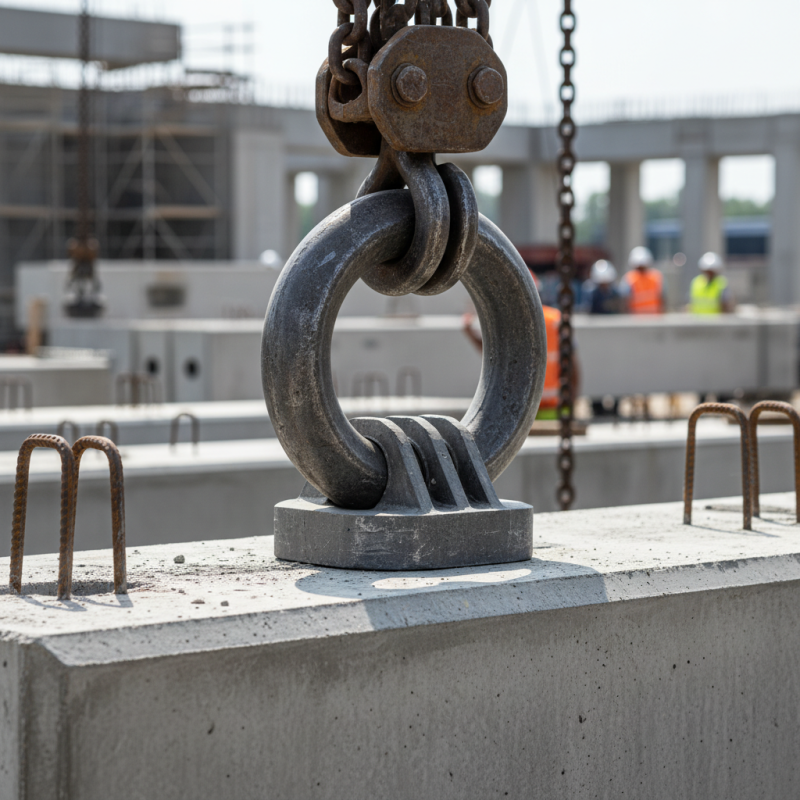
Precast concrete lifting eyes are crucial for construction safety. They offer a reliable method for lifting and maneuvering heavy concrete components. These lifting eyes are incorporated during production, ensuring strength and safety. Construction workers depend on these features to prevent accidents and injuries on job sites.
When using lifting eyes, it's vital to ensure they are correctly positioned. Misplacement can lead to dangerous situations. Workers should always double-check the connections before lifting. Issues may arise if the lifting eyes are not properly integrated. This highlights the importance of attention to detail in construction practices.
Training personnel is also essential. Workers need to understand how to use precast lifting eyes correctly. Sometimes, miscommunication occurs about lifting techniques. It’s an area that requires ongoing improvement and training. It’s important not to overlook the implications of improper lifting methods. Construction safety relies on every worker's knowledge and adherence to protocols.
Importance of Precast Concrete Lifting Eyes in Construction Safety
Understanding the Design and Functionality of Lifting Eyes
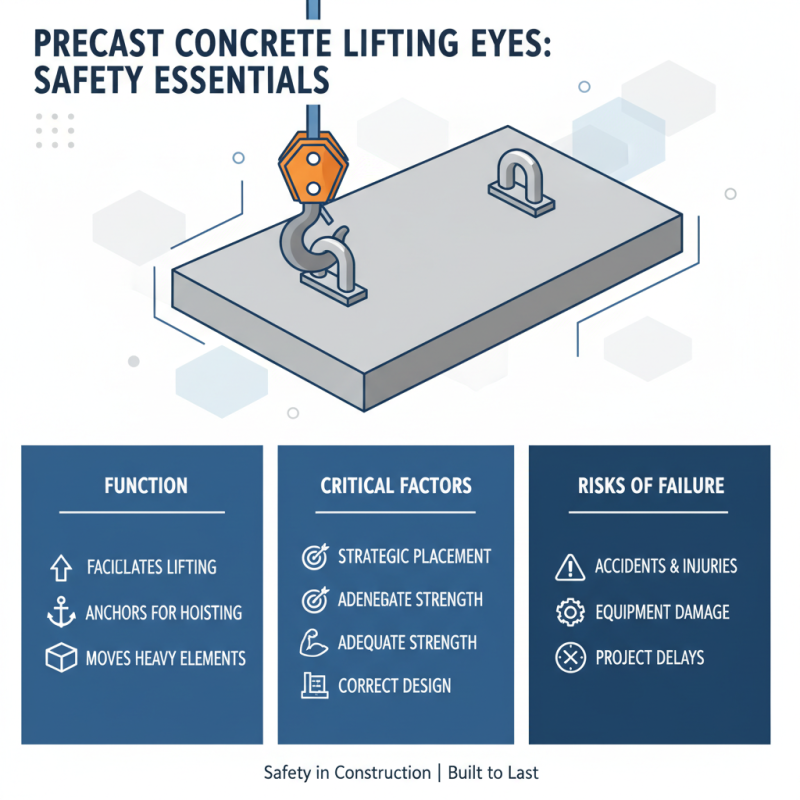
Precast concrete lifting eyes play a crucial role in construction safety. These features are designed to facilitate the lifting and moving of heavy concrete elements. Positioned at strategic points, they provide reliable anchors for hoisting equipment. Their placement and strength are pivotal. If wrongly designed, they could lead to accidents and equipment damage.
The functionality of lifting eyes is based on their structural integrity. Crafted to bear significant loads, they enable efficient handling. However, improper alignment can create issues. It's vital to double-check that lifting eyes are installed correctly. A small oversight might result in a shift during lifting. This can be dangerous for workers on-site.
Regular inspections are essential to ensure ongoing safety. Wear and tear over time can weaken lifting eyes. Additionally, environmental conditions may affect their performance. Inspecting them routinely helps identify potential failures early. A proactive approach is necessary to avoid mishaps. Ensuring that lifting eyes are in optimal condition adds a layer of safety to construction processes.
Benefits of Using Precast Concrete Lifting Eyes Over Traditional Methods
When it comes to construction safety, using precast concrete lifting eyes offers distinct advantages over traditional methods. According to a recent industry report, construction sites using precast systems saw a 30% reduction in labor-related injuries. This is largely due to their ease of handling and installation. By integrating lifting eyes, workers can manipulate heavy precast elements with greater control and less risk.
Lifting eyes help ensure that loads are balanced during transportation and installation. Unlike traditional rigging methods, which can fluctuate and create hazards, precast lifting systems provide consistency. This allows for precise placement, reducing the likelihood of accidents. In fact, studies indicate that better equipment design correlates with increased worker safety ratings.
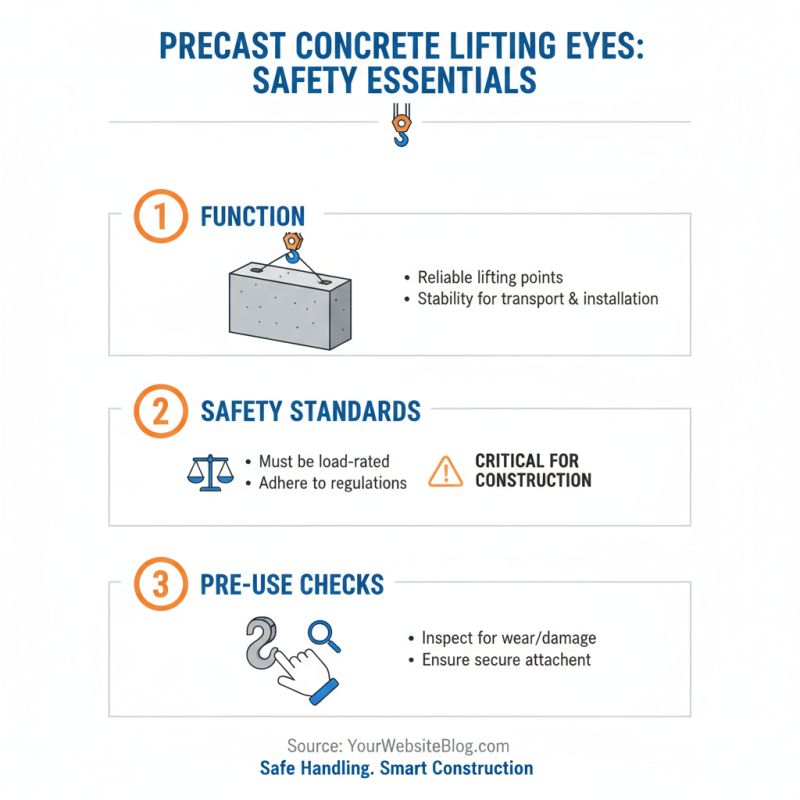
Tips: Always inspect lifting eyes before use. Ensure that they are properly rated for the load they will carry. If any signs of wear are evident, replace them immediately to avoid mishaps.
Implementing precast concrete lifting eyes not only minimizes injuries but also enhances efficiency. However, it’s essential to remember that not every project may require this approach. Sometimes, traditional methods might still be necessary. Analyzing each project's specific needs is crucial for optimal results.
Best Practices for Installation and Maintenance of Lifting Eyes
When using precast concrete lifting eyes, proper installation and maintenance play crucial roles. Start by ensuring the lifting eyes are securely attached to the precast elements. Inspect the areas for any debris or damage before installation. If any issues arise, address them immediately. A properly maintained lifting eye can prevent accidents and enhance safety.
Use the right tools during installation. A proper torque wrench ensures the lifting eyes are fastened correctly. Regularly check the lifting eyes for wear and tear. Look for signs of corrosion or cracks. Replace any damaged lifting eyes without delay. These steps are vital for maintaining safety on-site.
Training workers is equally important. They should understand the correct use of lifting eyes. Consider running regular training sessions. This helps reinforce best practices and improves safety awareness. Encourage feedback from workers on installation processes. Reflecting on their experiences can lead to continuous improvement in handling precast elements.