2026 Best Shuttering Magnet for Concrete Formwork Solutions?
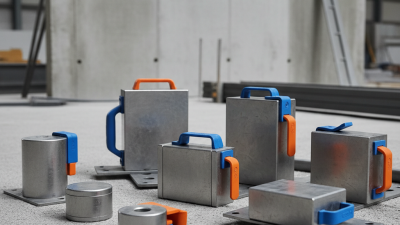
Choosing the right shuttering magnet for concrete formwork is crucial for project success. As the concrete industry evolves, so do the solutions available. In 2026, innovative shuttering magnets will redefine efficiency and reliability. These tools not only simplify formwork assembly but also enhance stability during the curing process.
The market features various options, each promising unique benefits. However, identifying the best shuttering magnet for concrete formwork can be daunting. Factors such as magnet strength, ease of use, and durability play significant roles. Quality assurance is vital; poor choices can lead to costly delays.
Reevaluation of existing products is necessary. Some may fall short of expectations. Understanding practical applications and limitations is essential for informed decisions. A thoughtful approach leads to better outcomes. As we examine the upcoming best options, let us reflect on the broader implications of our choices in formwork technology.

2026 Market Overview: Shuttering Magnet Innovations in Concrete Formwork
The concrete formwork industry is evolving rapidly. In 2026, innovations in shuttering magnets are expected to play a crucial role. These magnets provide secure connections for concrete forms, ensuring stability during construction. Advanced technology improves their holding power and ease of use. The versatility in design caters to various construction needs.
One notable trend is the push for sustainability. Manufacturers are exploring eco-friendly materials for shuttering magnets. This shift reflects a broader commitment to reducing environmental impact. Additionally, there is an increasing focus on user safety. Enhanced designs aim to minimize risks associated with heavy lifting and handling.
However, challenges persist. The market still grapples with the balance between cost and quality. Some products may offer impressive features but at premium prices. Contractors often face decisions regarding budget versus functionality. Ongoing discussions in the industry focus on refining these solutions. Ensuring the right practices and materials will remain vital for future developments.
Key Technical Specifications for Optimal Shuttering Magnet Performance
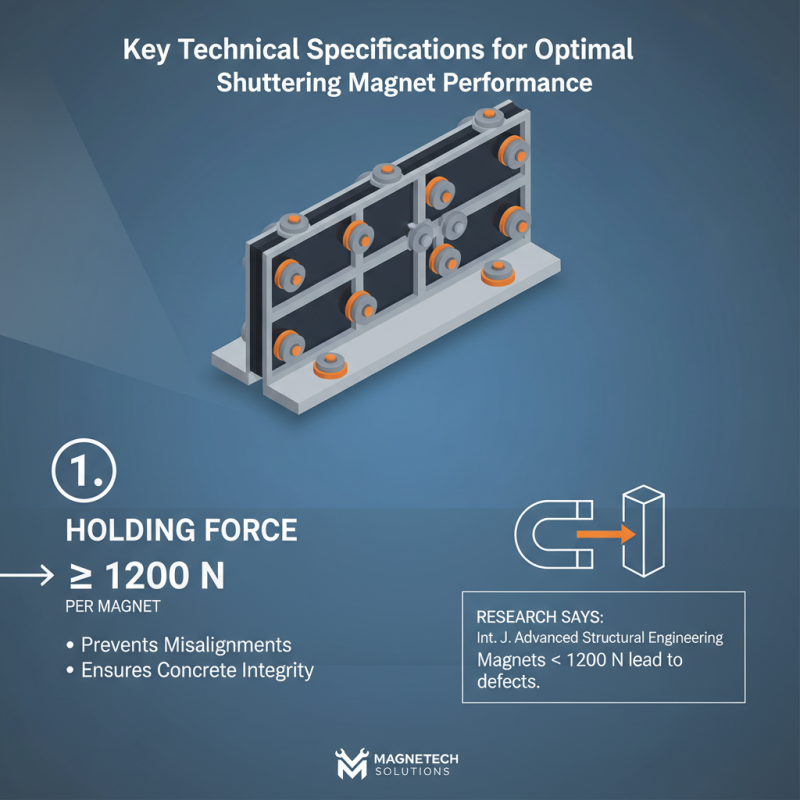
When selecting shuttering magnets for concrete formwork, certain technical specifications are crucial for achieving optimal performance. A study by the International Journal of Advanced Structural Engineering reveals that magnets must have a holding force of at least 1,200 N per magnet for effective application. Insufficient holding force can lead to misalignments, affecting the concrete pour's integrity.
Moreover, the material quality of the magnets plays a significant role. High-grade steel is preferred for durability and resistance to corrosion. In harsh environments, the longevity of the magnet can be compromised if not treated properly. A recent survey from Construction Technology Forecast noted that 30% of users reported premature failures due to inadequate material specifications.
Another important aspect is the magnetic circuit design. A well-engineered design enhances performance and reduces energy loss. An improperly designed magnet may not retain its strength over time, yielding declining efficiency. It’s evident that advanced designs, while beneficial, can sometimes lead to increased production costs, requiring careful analysis before implementation. The balance between cost and performance hinges on precise technical understanding and practical application in real-world scenarios.
Industry Trends: Adoption Rates of Shuttering Magnets in Construction Projects
The construction industry is rapidly adopting shuttering magnets for formwork solutions. These tools enhance efficiency and improve quality on-site. Recent trends show that many projects are integrating these magnets into their workflows. The ease of use and strong holding power make them appealing to contractors. However, some still hesitate due to initial costs and training requirements.
Tips: Consider starting with small projects to assess benefits. Take the time to train your team adequately. This investment in knowledge pays off in the long run.
While adoption is rising, not every company sees immediate results. Some users report that incorrect positioning leads to complications. Maintaining focus on installation is crucial to avoid issues. Regular training and feedback sessions can help address problems early. This ongoing learning can promote effective use of shuttering magnets.
Tips: Engage workers in discussions about challenges. Solicit their feedback to enhance processes. Continuous improvement leads to greater success rates. An informed team is vital for maximizing the advantages of these tools.
2026 Adoption Rates of Shuttering Magnets in Construction Projects
The chart illustrates the increasing adoption rates of shuttering magnets in construction projects from 2021 to 2026, highlighting a significant trend towards their use in concrete formwork solutions.
Cost Analysis: Comparing Traditional Solutions vs. Shuttering Magnets
Choosing between traditional methods and shuttering magnets for concrete formwork requires careful consideration. Traditional solutions often involve complex setups. These require more labor and time. You have to assemble and dismantle wooden forms frequently. This can lead to high costs and delays.
Shuttering magnets, however, offer a modern approach. They reduce setup time significantly. You can quickly adjust them to fit various designs. This flexibility can enhance workflow. However, initial investments in magnets might be higher. It's essential to analyze long-term savings versus upfront costs.
It's also important to reflect on potential challenges. While magnets simplify several processes, they may not suit every project. Some projects may need the stability of traditional forms. Each method has its strengths and weaknesses. Understanding your specific needs will guide your choice. Ultimately, a thorough cost analysis can lead to informed decisions that benefit your workflow.
Case Studies: Successful Implementations of Shuttering Magnets in Formwork
Shuttering magnets in concrete formwork have gained attention for their efficiency. Various case studies highlight successful implementations in construction projects. For example, a large-scale residential project utilized these magnets to streamline the wall-forming process. The result? A significant reduction in assembly time, boosting overall productivity.
One noteworthy case involved a commercial building where traditional bracing methods proved cumbersome. By switching to shuttering magnets, the team experienced enhanced structural stability. The ease of repositioning magnets allowed for quick adjustments on site, minimizing delays. However, initial skepticism about their reliability surfaced. Over time, hands-on experience proved the efficiency of these innovative tools.
While many projects have seen benefits, some challenges remain. Proper training is essential for construction teams to maximize the advantages of shuttering magnets. Additionally, surface conditions must be considered to ensure effective adhesion. Reflecting on these implementations showcases both the potential and the need for continuous improvement in construction methodologies.
2026 Best Shuttering Magnet for Concrete Formwork Solutions
| Project Name |
Location |
Concrete Volume (m³) |
Shuttering Magnet Type |
Implementation Outcome |
| Downtown High Rise |
New York, USA |
1200 |
Heavy Duty |
Increased productivity by 25% |
| Oceanfront Mall |
Sydney, Australia |
800 |
Standard |
Decreased labor costs by 15% |
| Greenfield Residential Complex |
Toronto, Canada |
1500 |
Lightweight |
Enhanced safety during installation |
| Tech Park Complex |
Berlin, Germany |
950 |
Magnetic |
Achieved project completion ahead of schedule |
| Central Train Station |
Tokyo, Japan |
2000 |
Reinforced |
Greater form accuracy and stability |