Top 10 Benefits of Shuttering Magnet System For Precast Formwork?
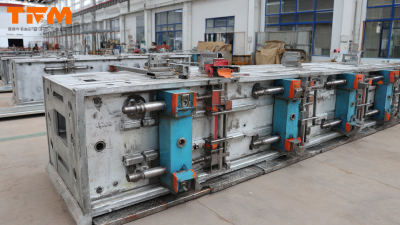
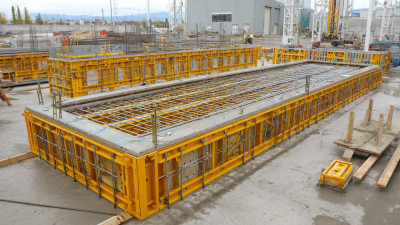
The construction industry continues to evolve, with innovations driving efficiency and quality. One significant advancement is the Shuttering Magnet System for precast formwork. This system enhances productivity while ensuring precise alignment and stability. According to a recent study by Global Market Insights, the use of innovative formwork systems could improve construction timelines by up to 30%.
Shuttering Magnet Systems offer numerous benefits. They not only streamline the assembly process but also reduce labor costs significantly. Improved safety standards are an added advantage. However, the initial investment may pose challenges for some companies. Not every contractor may embrace this technology due to perceived costs, leading to missed opportunities for improved efficiency.
Incorporating Shuttering Magnet Systems into projects can lead to faster cycle times and reduced labor intensity. The precise positioning of formwork components enhances the final product's quality. However, it’s essential to weigh the benefits against the costs and training requirements. Despite the challenges, the potential for increased profitability and project success remains compelling. Adopting such technology could be the key to thriving in today’s competitive construction landscape.
Benefits of Increased Efficiency with Shuttering Magnet Systems in Precast Formwork
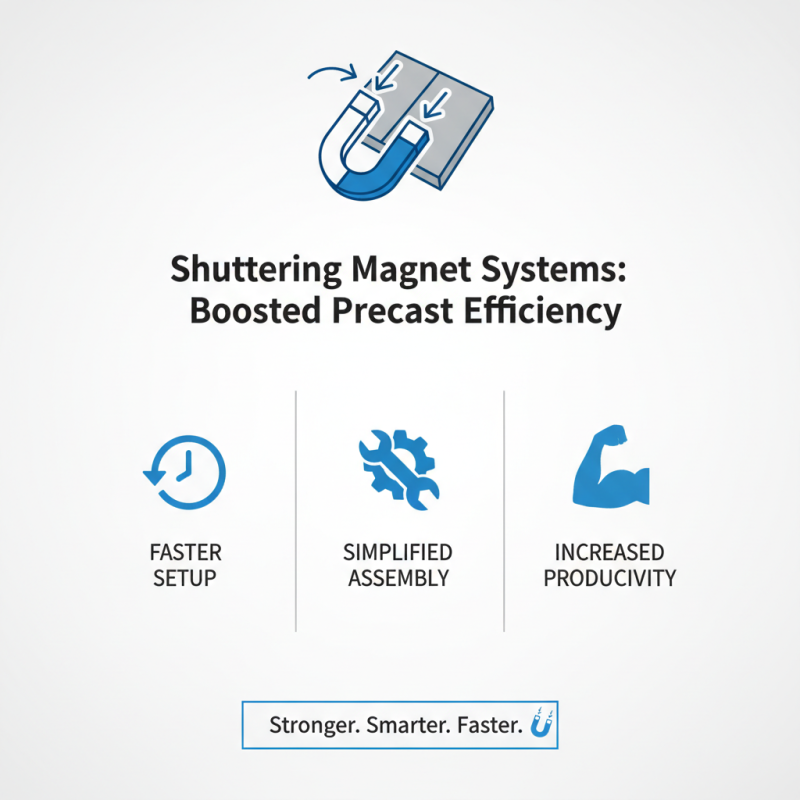
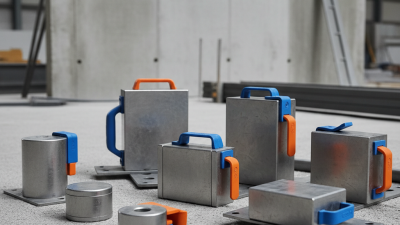
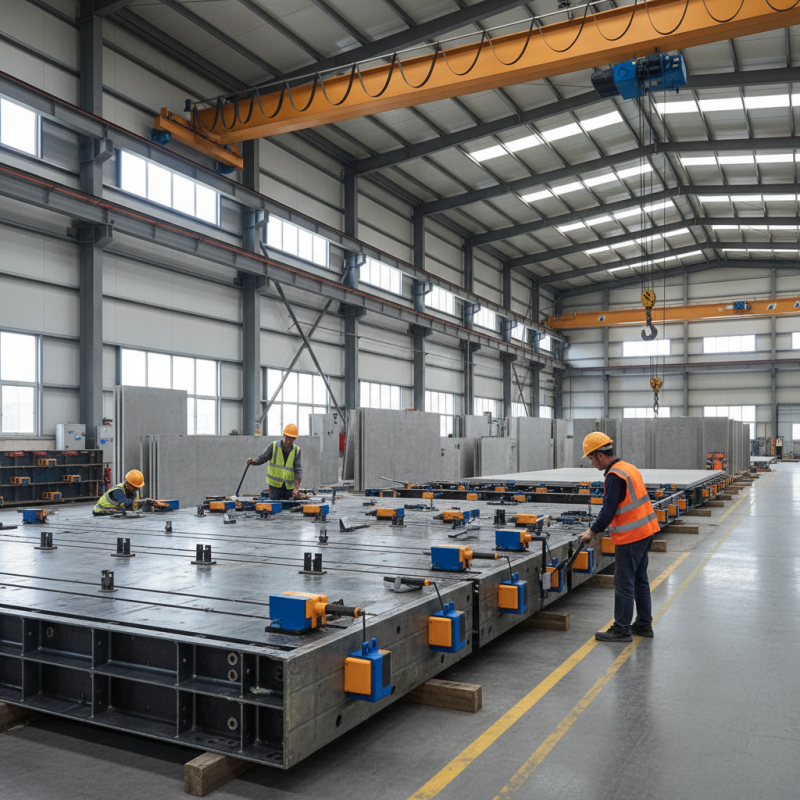
Shuttering magnet systems significantly enhance efficiency in precast formwork. These systems streamline the construction process, reducing the time needed for setup. They use strong magnets to hold formwork in place, eliminating the need for traditional clamping methods. This innovation simplifies the assembly process, allowing workers to focus on other essential tasks.
The precision of shuttering magnet systems contributes to higher quality outputs. By ensuring forms stay firmly in place, they reduce the risk of misalignment. However, user training is necessary. Some workers may struggle with new tools initially. This adjustment period can lead to slowdowns if not addressed.
Moreover, these systems help minimize material waste. Traditional methods often lead to excess time spent on adjustments. The efficiency of magnets, however, restricts such issues. Even with these benefits, users should reflect on their adaptation to this technology. Adopting new systems requires patience and a willingness to learn, which can be challenging for some teams.
Cost Savings Analysis: Shuttering Magnet Systems vs. Traditional Methods
Shuttering magnet systems offer substantial cost advantages over traditional methods of precast formwork. Industry studies indicate a potential reduction in labor costs by up to 30%. This figure alone makes a compelling case for exploring these innovative systems. Traditional formwork often requires extensive manual handling and assembly, leading to longer project timelines and increased expenses. In contrast, shuttering magnets simplify the process, reducing the need for multiple workers on-site.
Additionally, the materials used in shuttering magnet systems have a higher longevity. This can result in cost savings related to the frequency of replacements. A report from a leading construction industry analysis group highlights a 15% improvement in material efficiency when using magnets over conventional techniques. Projects can maintain tighter schedules and minimize waste, impacting overall project budgets positively.
However, adopting magnet systems is not without challenges. Initial costs for setup and training can be significant. Some teams may struggle with the adjustment to new technology. Organizations must weigh these upfront costs against long-term savings. Projects must be evaluated on a case-by-case basis to determine if the shift is financially beneficial. This pivot in approach is a reflection of the industry's evolving landscape, one that must embrace efficiency while recognizing the need for adaptation.
Environmental Impact: Sustainability Benefits of Using Shuttering Magnet Systems
Shuttering magnet systems for precast formwork offer significant sustainability benefits. These systems reduce material waste during construction. The magnets can be reused, minimizing disposal concerns. Using magnets allows for quicker assembly and disassembly of formwork. This efficiency leads to less time on site and lower energy consumption. The reduction in transportation needs also contributes to a smaller carbon footprint.
Consider the following tips for maximizing sustainability with shuttering magnets. Always inspect magnets for wear and tear. Proper maintenance ensures they last longer. Choose local suppliers to decrease transport-related emissions. Implement recycling strategies for any damaged components. Every action counts towards a greener project.
While the environmental impact is positive, some challenges remain. Initial costs for shuttering magnet systems can be high. Workers may require training to use these systems effectively. It’s crucial to weigh the upfront costs against long-term savings. Continuous evaluation of processes can also highlight areas for improvement. Sustainability isn't just a goal; it’s an ongoing journey in construction.
Versatility in Application: How Shuttering Magnet Systems Enhance Design Flexibility
Shuttering magnet systems bring remarkable versatility to precast formwork design. These systems allow for a variety of mold shapes, accommodating unique architectural features. With strong magnetic forces, they can easily align and secure formwork, ensuring precision in construction. This adaptability reduces the need for multiple mold designs. It can also lower production costs and simplify logistics.
Incorporating these systems into projects can lead to unexpected challenges. Adjustments might be needed if the formwork aligns improperly. These issues can delay timelines and inflate budgets. However, the benefits often outweigh these drawbacks. The flexibility provided by shuttering magnets can lead to innovative designs that captivate clients. Hence, it's crucial to weigh the pros and cons carefully.
Ultimately, integrating shuttering magnet systems requires a thoughtful approach. Balancing efficiency with design aspirations can be tricky. Yet, when done right, the outcomes can exceed expectations. This technology pushes the boundaries of conventional formwork, inspiring creativity in construction projects. Embracing this innovation might just redefine how we think about precast concrete structures.